
Furniture delivery and installation: a planning guide for interior designers
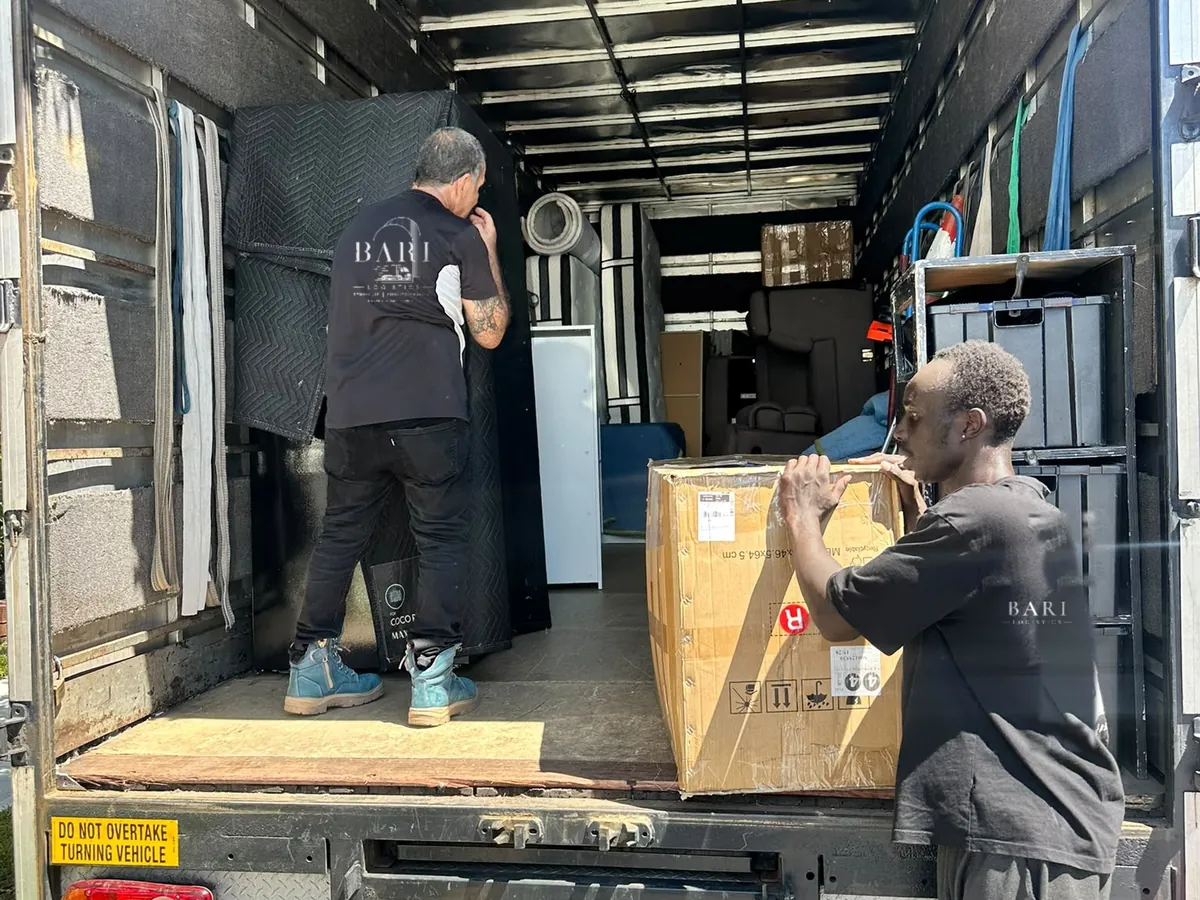
Measure the path, not just the room
A sofa that fits the living room can still fail at the front door. Before the delivery is booked, measure every point the piece has to pass through: the street door, hallways, stair turns, landings, lift car and lift door, and balcony access if that is the only way in. Note the narrowest point, not the average.
Then send the dimensions of the largest and most awkward pieces alongside those measurements: length, depth, height, and whether legs or arms come off. If a piece will not turn a corner by a few centimetres, you want to know on the Tuesday before, not on the stairs on Friday.
A written scope that names access and what is included makes this easier. When you ask for a furniture logistics quote, put the tight spots in the first message so they end up in the scope rather than being found on the day.
Sort out the building before the truck arrives
Apartments and strata buildings often decide the delivery for you. Check whether the lift needs to be booked and for what window, whether there is a loading zone or dock, how long a truck can stand out the front, and whether there are rules on delivery hours, lift padding or deposits. Some buildings need a certificate of currency for insurance, so ask the building manager early.
Pass those details to your coordinator in writing: the booking time, the building manager's contact, the loading dock height if there is one, and any rule about which lift or entrance to use. With furniture logistics through BARI, one dedicated coordinator looks after the job, so the details sit with one person instead of being repeated to a new voice each time.
Sequence the delivery around the other trades
Furniture goes in after the work that makes a mess and before the people who judge the result. In practice that means after painters, floor finishers and electricians have finished and the dust has settled, and before the photographer, stylist or client walk-through.
Leave a buffer. Paint and floor coatings need time to cure, and a delivery squeezed in the day after a polish can mark a floor that looks dry. Build in a spare day between the last trade and the furniture, and tell your coordinator which finishes are fresh so floors and doorways can be protected first.
For a handover, work backwards from the date the client or photographer arrives. If the install slips, everything behind it slips, so agree a fallback day when you book.
Give the crew a placement plan
Pieces should end up where the room says they belong, not at the front door. The crew can only do that if they know where that is. A marked-up floor plan works best: a simple drawing with each piece numbered and its position shown, including which way it faces and any rug or lamp it sits against.
If you do not have a plan, photographs of the finished layout or a mood board with the room labelled are the next best thing. Label the pieces too: a piece of tape or a tag with the room name, such as 'Main bedroom' or 'Study', stops a bedside table ending up in the guest room.
This is how BARI places furniture where the designer or the room says it belongs, and a clear plan is the quickest way to get the result you pictured. Be available by phone on the day for the pieces that need a judgement call.
Receive and inspect each piece
Plan to inspect pieces as they arrive. Check each one against the order list, look over the surfaces, corners, legs and hardware, and note any damage before you sign off. Photograph anything you find, with the piece still in its wrapping if you can.
Keep the packaging until everything has been inspected, because a supplier or insurer may ask to see it if a claim is needed. If you want packaging removed after the install, or want to know whether the crew can take it away, ask your coordinator before the day rather than assuming.
BARI is insured for goods in transit and public liability, but a note made on the spot is still the fastest way to sort out a problem.
When a piece has to wait
Big projects rarely arrive in one load. A custom table might be six weeks behind the sofas, or a supplier might deliver to a depot days before the install. When one piece has to wait between collection and install, plan that gap deliberately instead of hoping it resolves itself.
If a piece has to wait, say so on the quote and the gap is planned. Tell your coordinator which pieces are staggered, when each is expected and what has to be in place before it arrives, so the job can be set up properly. Truck time is charged per 30 minutes ($55 compact, $60 medium with movers, $80 large with movers), so a second trip for one late piece is easier to price when it is in the scope from the start.
If you are staging a home for sale, the same planning applies with a tighter clock. See property staging logistics for how BARI styles homes for sale, or request a quote with your install date, access notes and the pieces you are worried about, and ask your coordinator about furniture logistics for the rest.